
Reflections on Navigating Bicultural Identity
Growing up between two cultures can feel like living in two different worlds at the same time. A lot of bicultural people know the feeling of switching parts of themselves depending on where they are and who they’re with. This could look like constantly moving between different languages, expectations, values, and versions of yourself. Navigating a bicultural identity can feel both enriching and exhausting.
You might feel deeply connected to your family’s culture while also feeling shaped by the culture you grew up in. Sometimes those identities blend naturally. Other times, they can feel like they are pulling in opposite directions. You might feel “too much” of one culture in certain spaces and “not enough” in others. There can be pressure to make your family proud, fit into mainstream culture, or avoid disappointing people on either side. This can create guilt, confusion, or a sense of never fully belonging anywhere.
At the same time, bicultural identity can also create resilience, adaptability, empathy, and a broader understanding of the world. Being able to move through different spaces and hold multiple perspectives is a strength, even if it doesn’t always feel easy.
One of the biggest parts of navigating bicultural identity is realizing that identity doesn’t have to be “either/or.” It can be both. You’re allowed to hold onto the parts of your culture that feel grounding while also creating space for yourself to grow into your own person. You are allowed to keep traditions that feel meaningful, question ones that don’t, and build a version of yourself that reflects your lived experience.
Therapy can sometimes help create space to explore these tensions without judgement. Conversations around family expectations, intergenerational differences, belonging, and identity can be complex, especially when culture is tied closely to survival, community, and values. There is no “correct” way to be bicultural. Your identity can be layered, evolving, and uniquely your own.
If this article resonated for you and you or someone in your life would benefit from speaking to someone about experiences with bicultural identity, you can reach out to our office to set up your free consult with Surman or one of our other therapists.
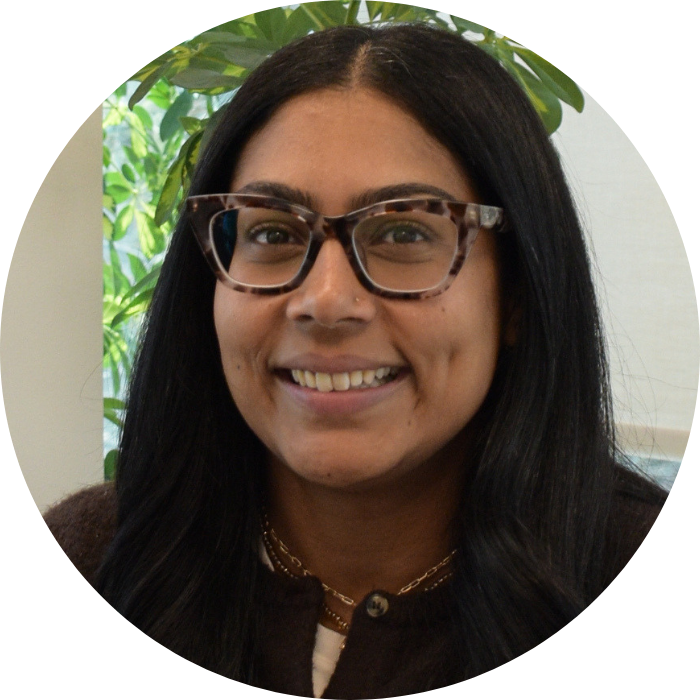
About the Author
Surman Kang is a Registered Psychotherapist (Qualifying) at GWTC. She provides individual and group therapy around issues of anxiety, self-harm, identity, neurodiversity, and culture / race / immigration.